Dear Sports Fan,
Someone died in an Indy Car race today? Why do people do this to themselves? When will they stop?
Seriously, this is crazy,
Fernando
Dear Fernando,
It does seem a little crazy, doesn’t it?
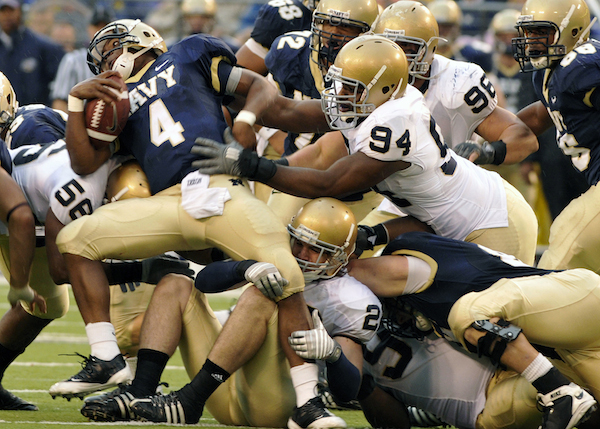
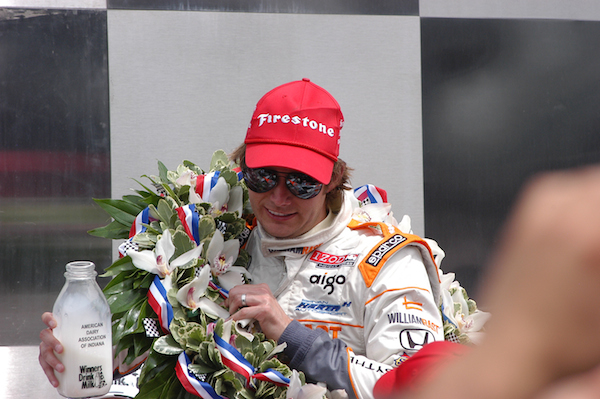
Dan Wheldon who was a former Indy 500 champion died today during a race in Las Vegas in a crash that involved 15 cars traveling at over 200 miles an hour. I don’t know what makes people do risky things. In sports there are obvious dangers — car crashes, broken bones, and torn ligaments. Taking a stick, puck, elbow, or fist to the face leaves a visible and sometimes permanent mark of the perilous life of an athlete. We now know there are less visible but still insidious dangers that lurk in the repeated collisions that take place on every play of every football game and practice. I’m not sure what attracts us to sports. Are we attracted in spite of or because of the danger?
When it comes to injuries short of death (and to an increasing extent, brain injuries, but that’s another story…) sports cultures tend to build off the courage and intolerance to pain that are a necessary part of doing anything as physically challenging as playing a sport to create an intolerance to the admission of pain. There is a cliche that there is a line between being hurt and being injured. You can play hurt. You can’t play injured. The line moves a little from sport to sport, but reasonably bizarre things are often on the line of hurt. How far you are willing to push that line for your own body generally has a lot to do with how your teammates and coaches think of you. I played soccer for about 10 years growing up and I am still proud to say that I never missed a game with a “hurt.” Sure, I dislocated each of my kneecaps twice… but those were “injuries.” At the level (low) that I was playing at, this is usually a fairly innocuous attitude to have, but at higher levels, it leads to people pushing their bodies into all sorts of situations that are likely to have long-term effects on their health. This Malcolm Gladwell article made a big splash for its revelations about concussion, but when read carefully, it suggests something else — that willingness to put ones own health at risk for the good of the team is basically selected for throughout youth sports, so that by the time you get to the highest levels of competition, basically everyone is like this.
One would think that death cannot be an extension of this attitude towards your own body. And in fact, I imagine it’s not. But risk of death might apply. There is some risk of death inherent in every sport. It’s certainly higher in sports like football, hockey, cheerleading, boxing, and racing than in sports like baseball, soccer, and basketball. I can’t speak for drivers, but I imagine that like with injury in other sports, people who do not have the quality of being willing to risk their lives in their sport are weeded out long before we ever see them on television.
I don’t know why there are people willing to risk their bodies and their lives for a particular activity, but I do know that for the most part, these are the people who are successful enough to make it to the professional ranks of each sport. It’s almost a catch-22, but the reason drivers are crazy enough to get in cars and risk their lives is because only people that crazy can drive professionally.
Let’s hope risk doesn’t turn to loss again for a long time,
Ezra Fischer